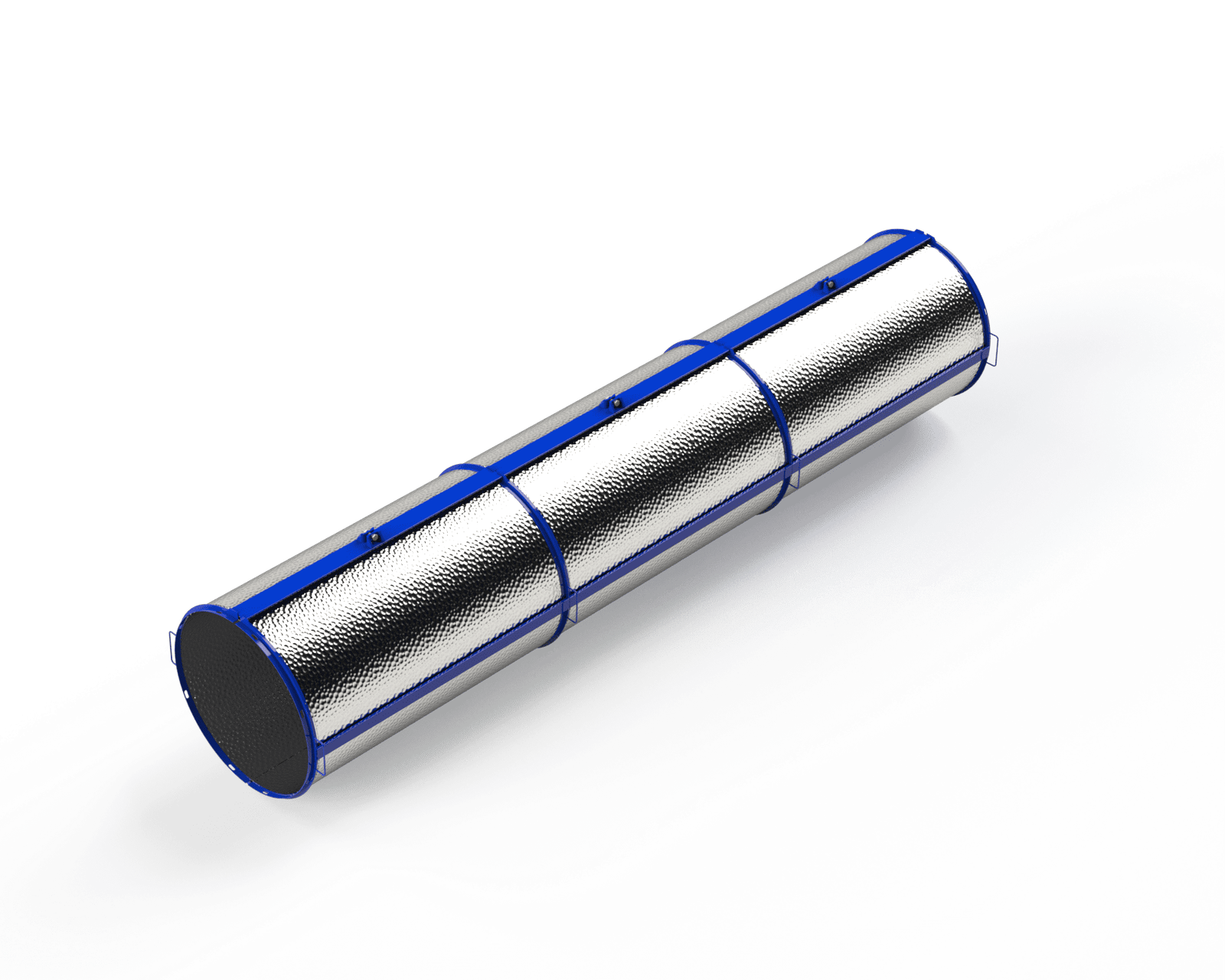



5–10 t/h capacity
Available in BST-5, BST-6 and BST-10 configurations
BST INDENTED CYLINDER TRIER
BST Indented
BST Indented
Cylinder Trier Series
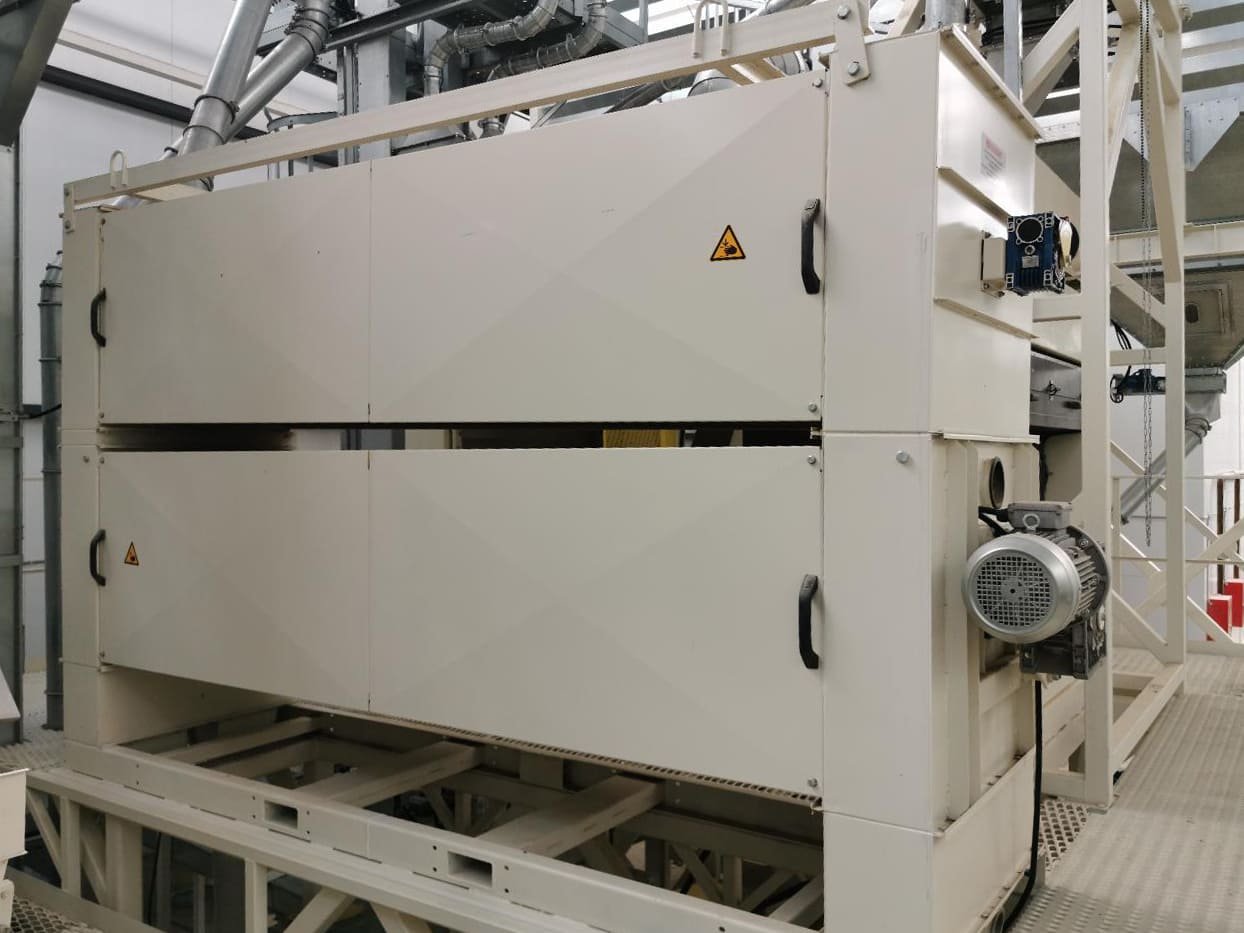
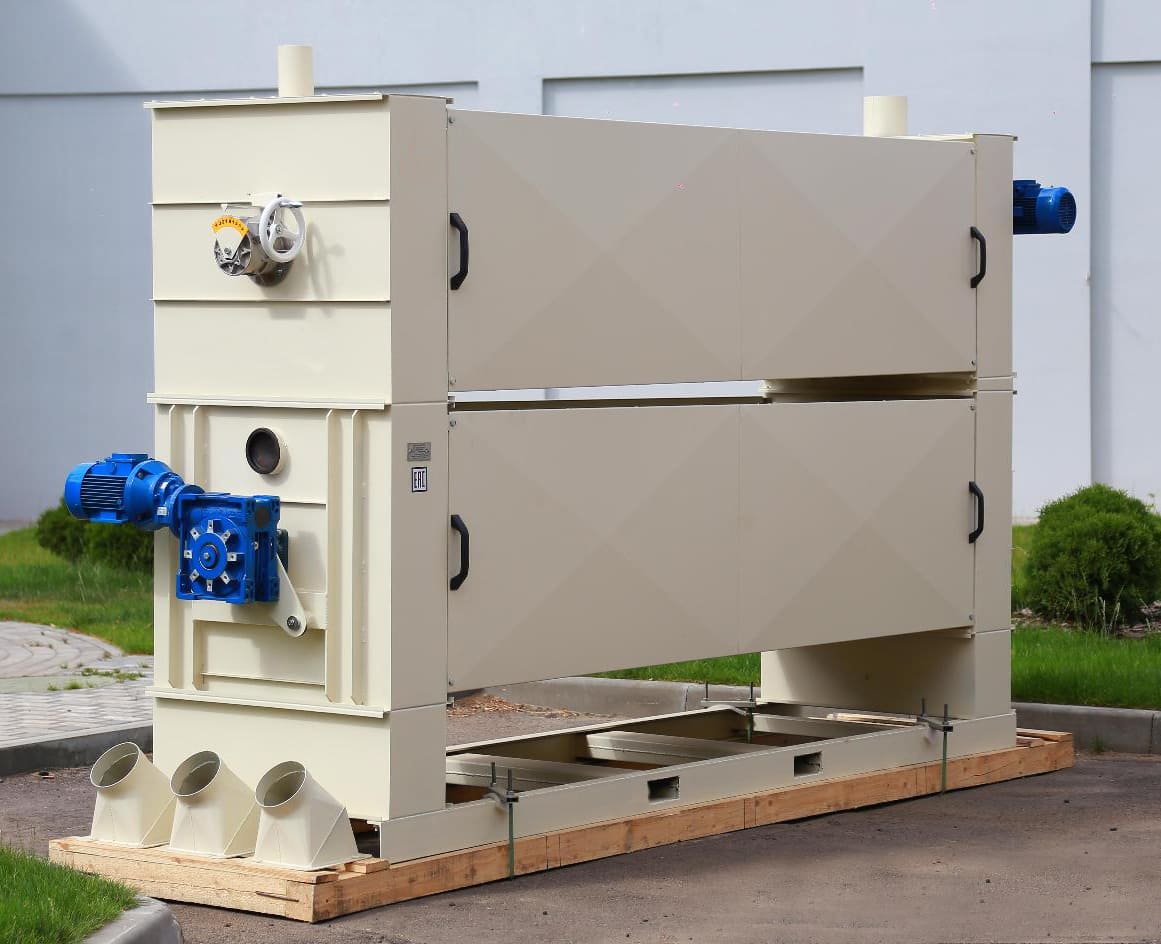
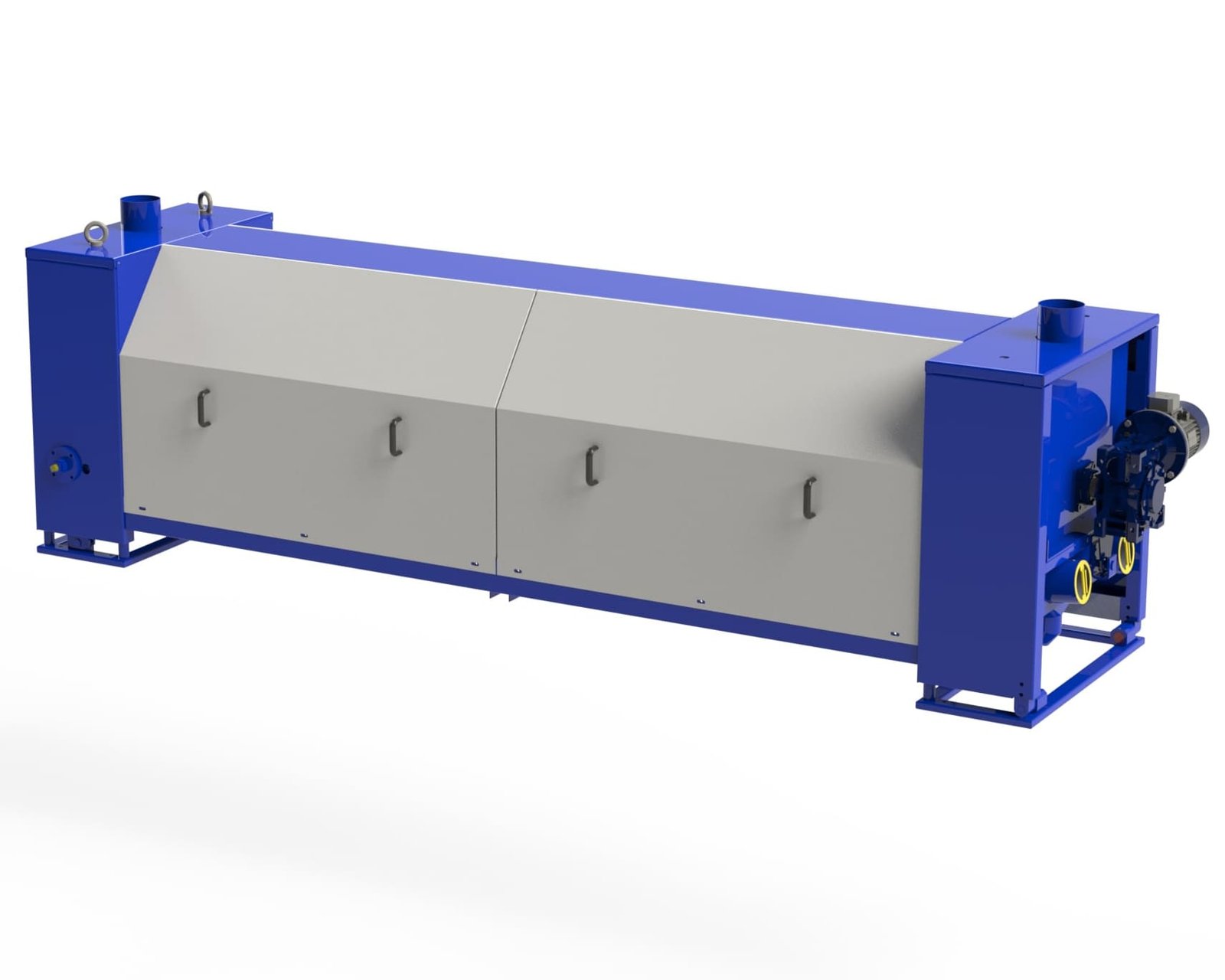
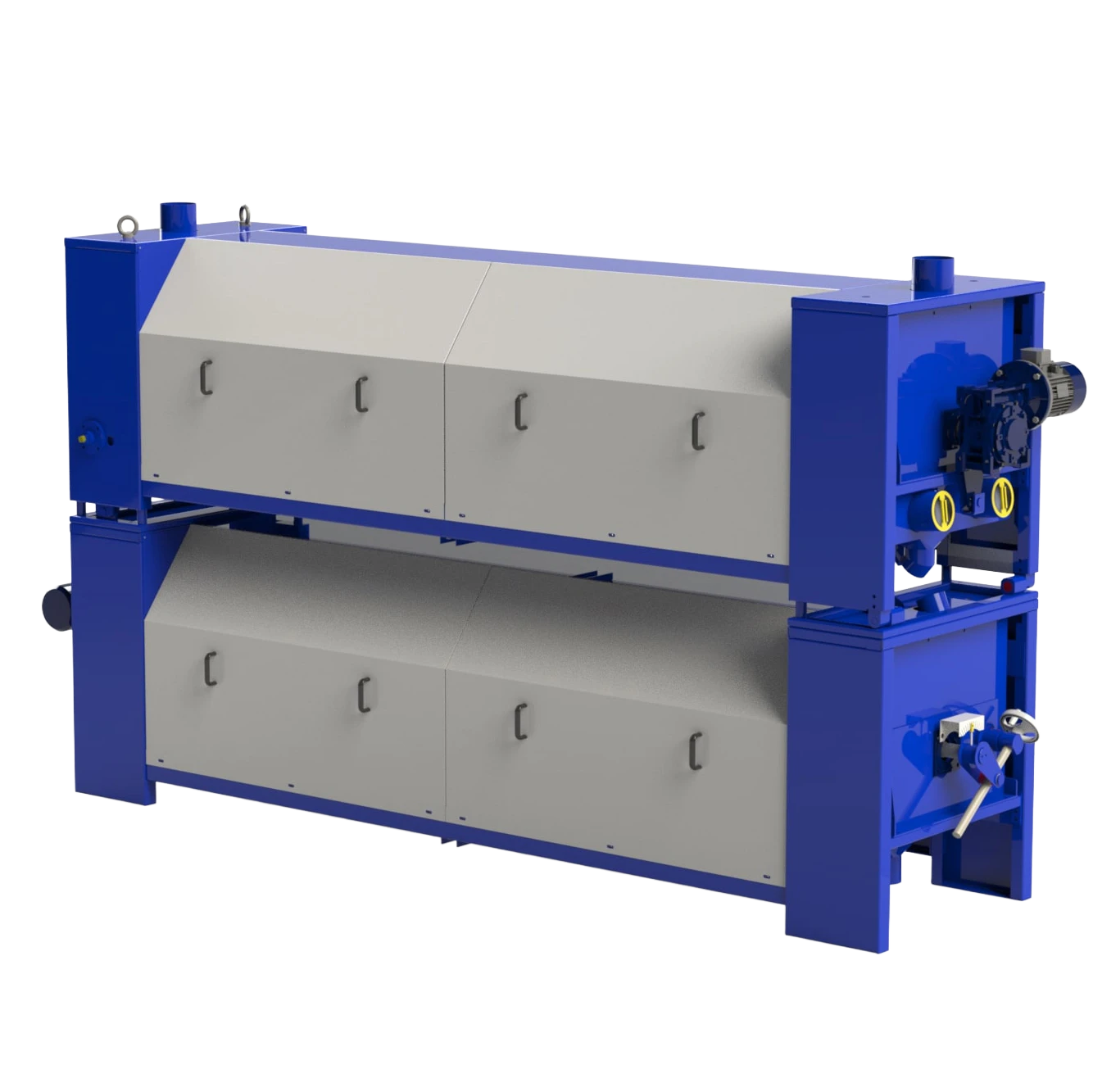
BST triers are designed to separate grain mixtures by length and remove long impurities such as wild oats. Suitable for elevators, flour mills and groats plants where precise fractionation and stable operation are required.
Length-based separation
Efficient removal of wild oats and other long impurities from grain mixtures
Industrial-duty design
Suitable for elevators, flour mills and cereal processing lines
3 BST models available
4.4–6 kW
power consumption range
BST SERIES
Compare BST Trier Models
Explore the BST trier range and compare capacity, installed power, dimensions and machine weight for each model in one clean overview.
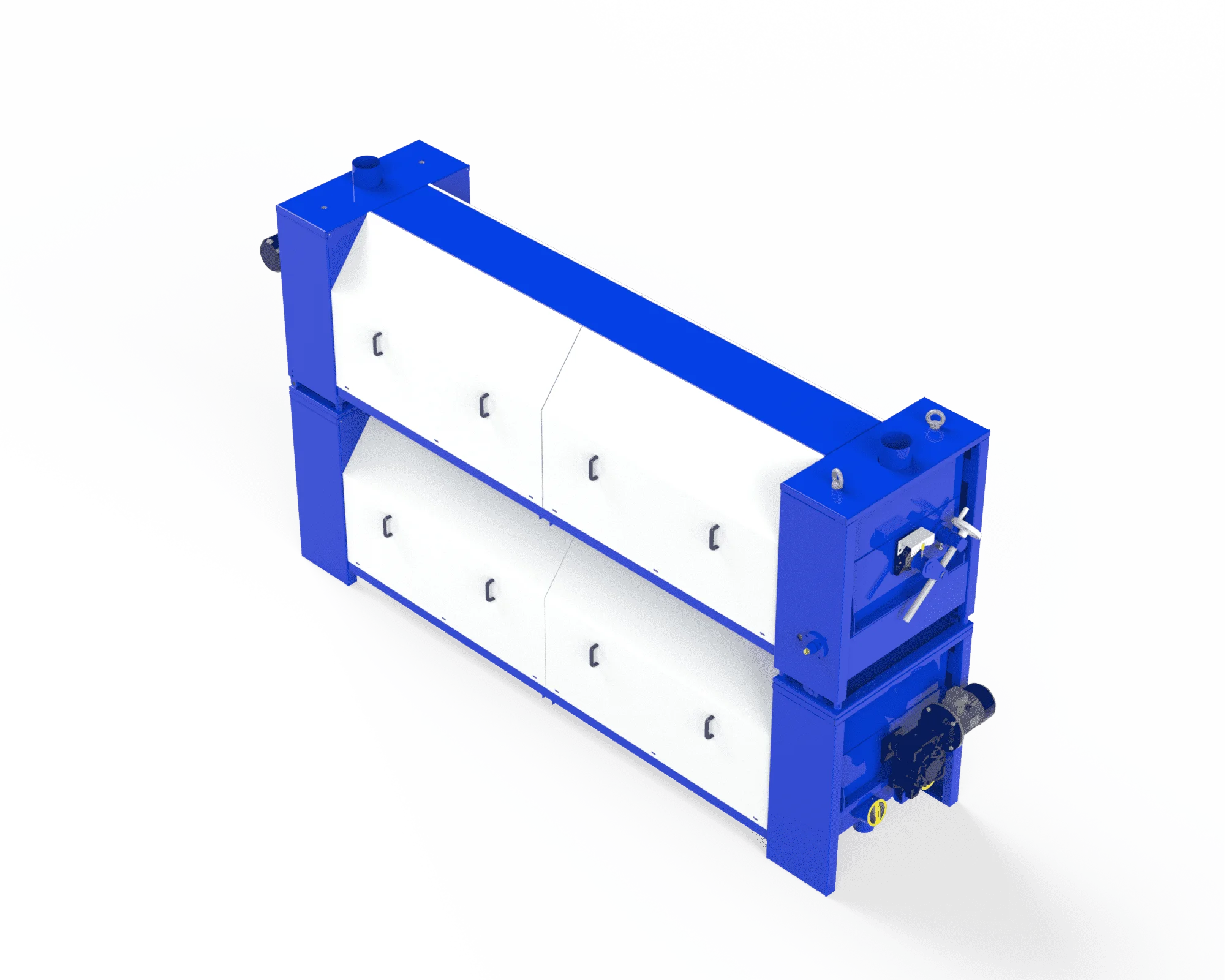 BST-5
BST-5
BST-5
Capacity5 t/h
Electricity4.4 kW
Dimensions2140 × 1010 × 1520 mm
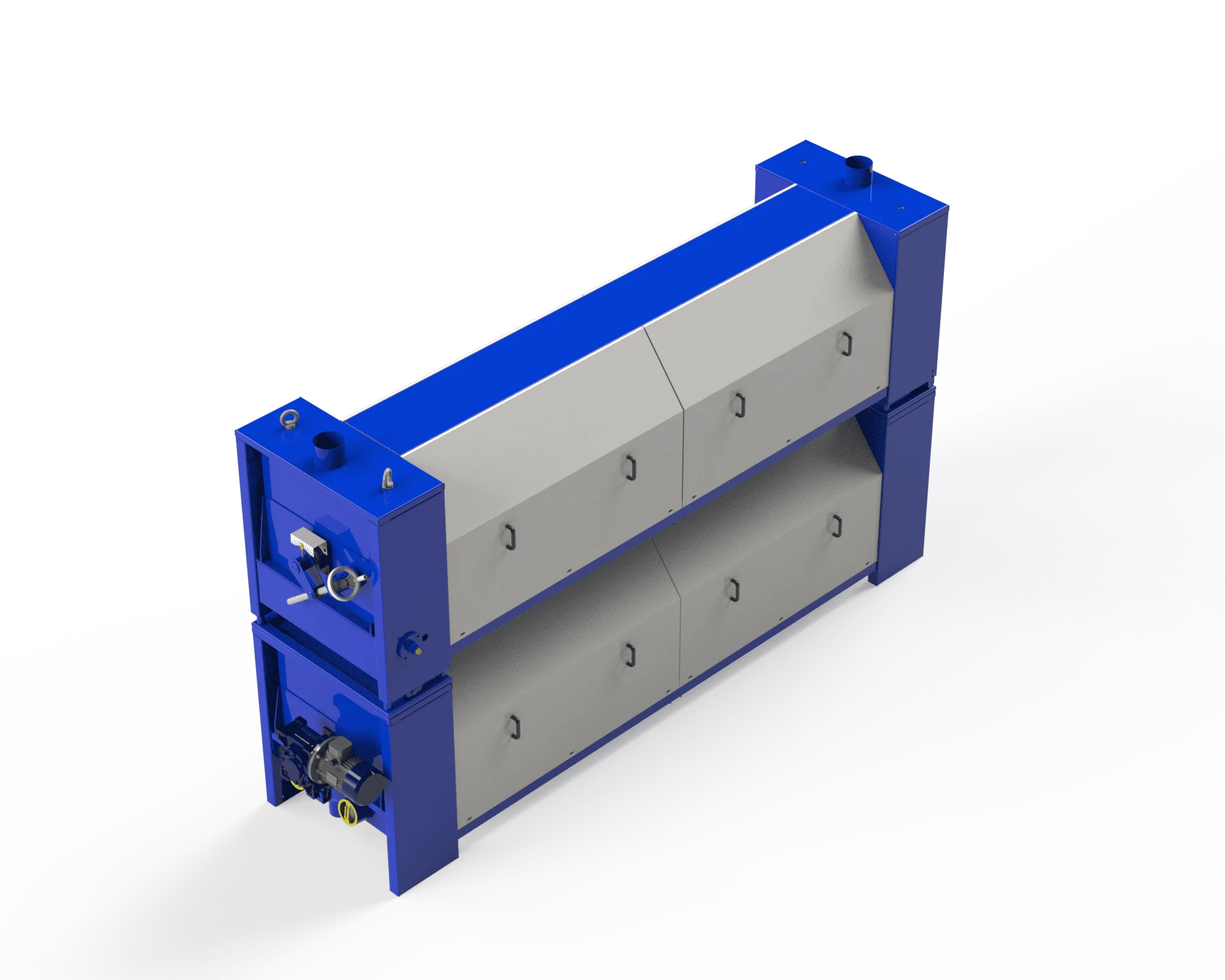 BST-6
BST-6
BST-6
Capacity6 t/h
Electricity4.4 kW
Dimensions2140 × 1270 × 1520 mm
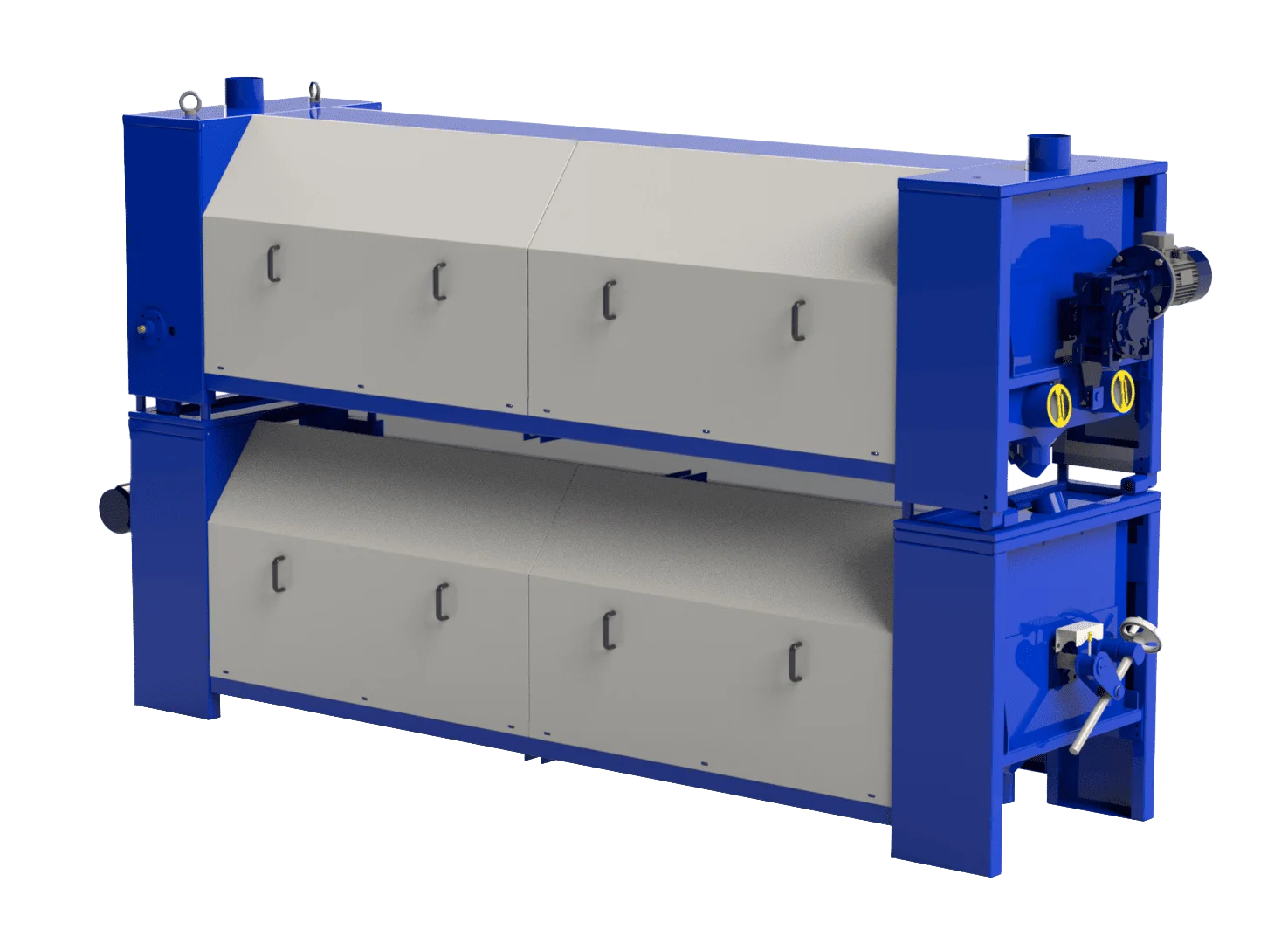 BST-10
BST-10
Capacity10 t/h
Electricity6.0 kW
Dimensions2140 × 1840 × 1520 mm
Technical data
Full specification table
| Model | Capacity, t/h | Electricity, kW | Net weight, kg | Length, mm | Width, mm | Height, mm |
|---|---|---|---|---|---|---|
| BST-5 | 5 | 4.4 | 570 | 2140 | 1010 | 1520 |
| BST-6 | 6 | 4.4 | 650 | 2140 | 1270 | 1520 |
| BST-10 | 10 | 6.0 | 950 | 2140 | 1840 | 1520 |
Interactive machine breakdown
Explore BST trier stages
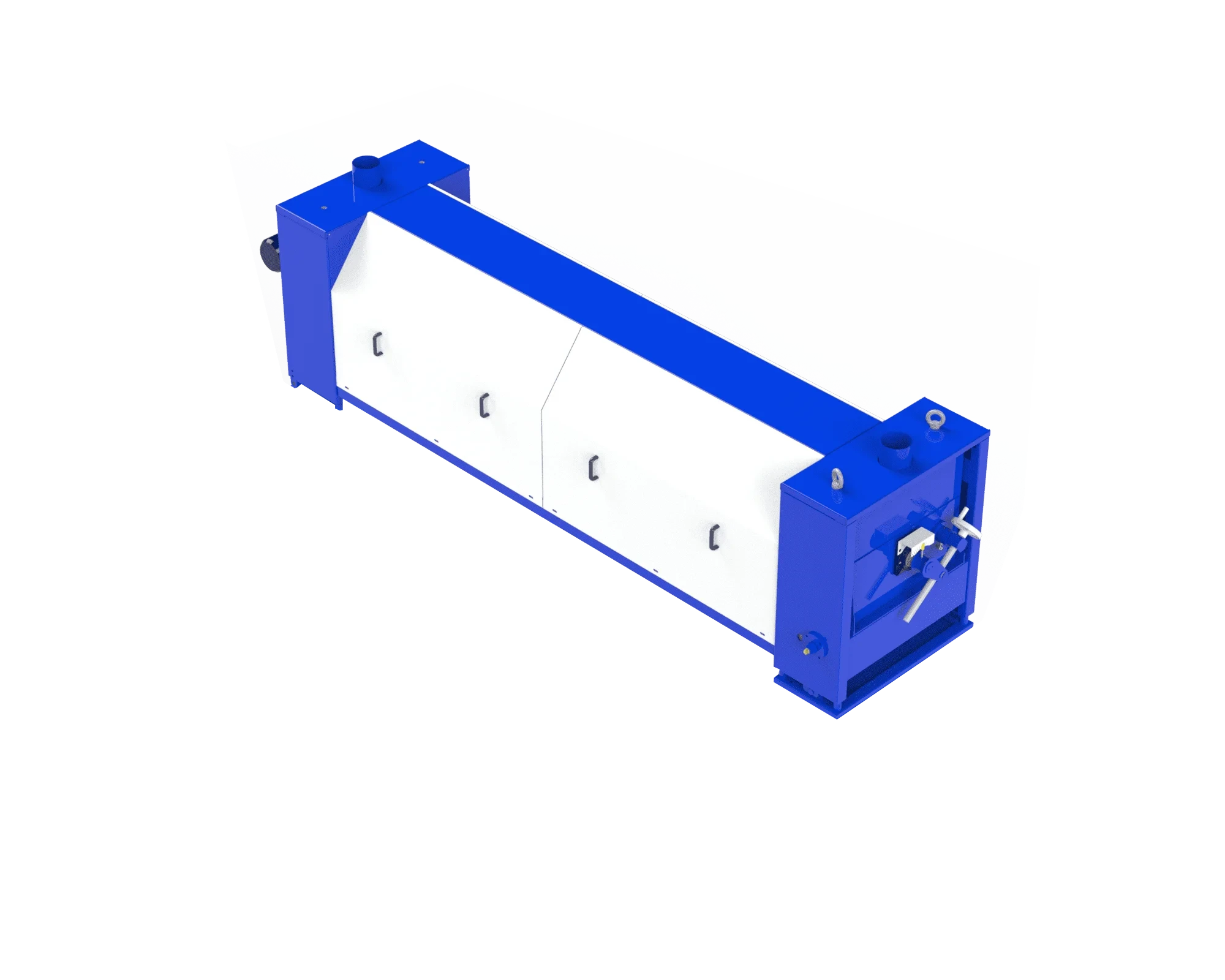
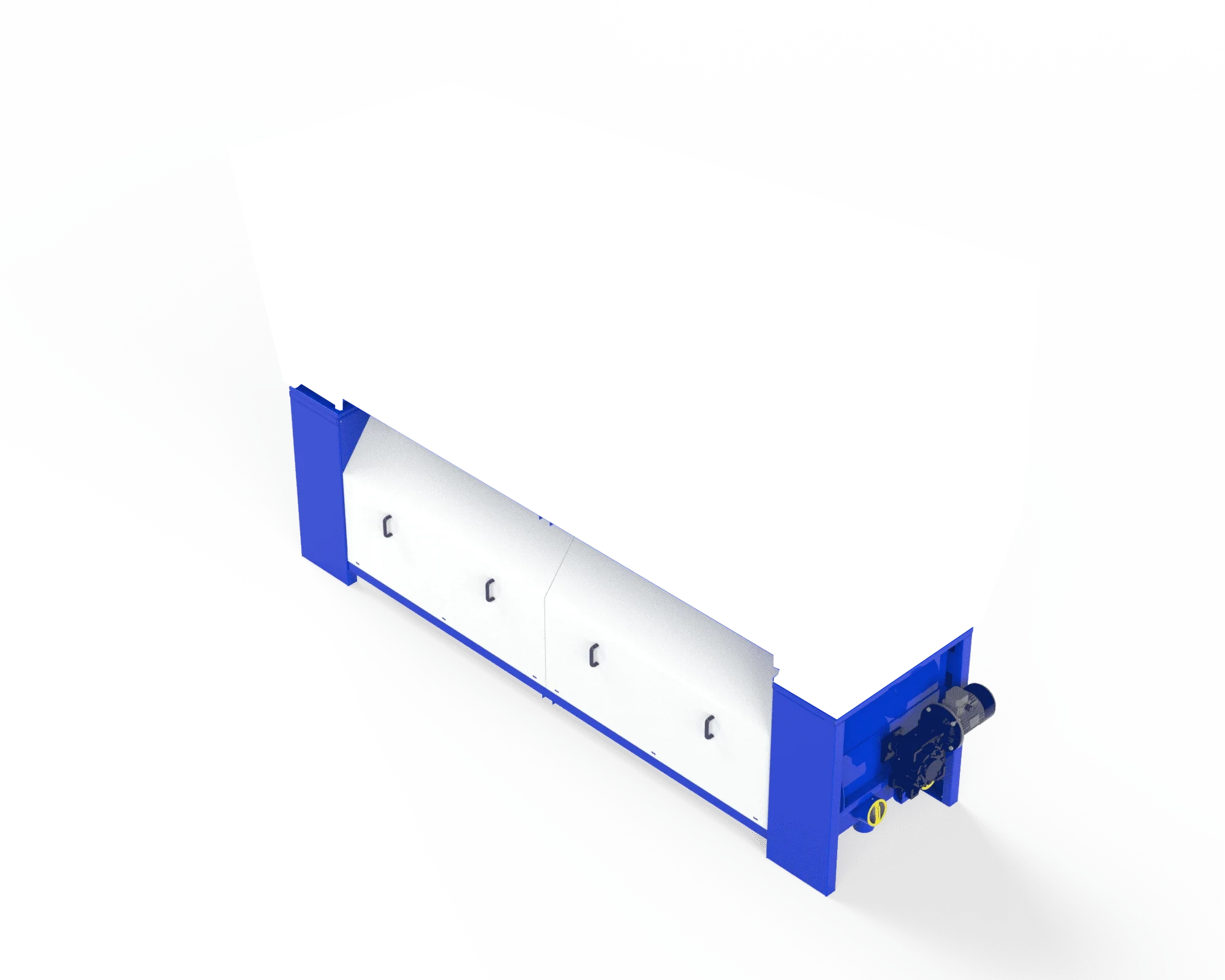
Select one of the two trier stages to see its exact position and understand how the machine separates short and long impurities in sequence.
Overview mode
Full machine view
BST Overview
Two-stage length separation
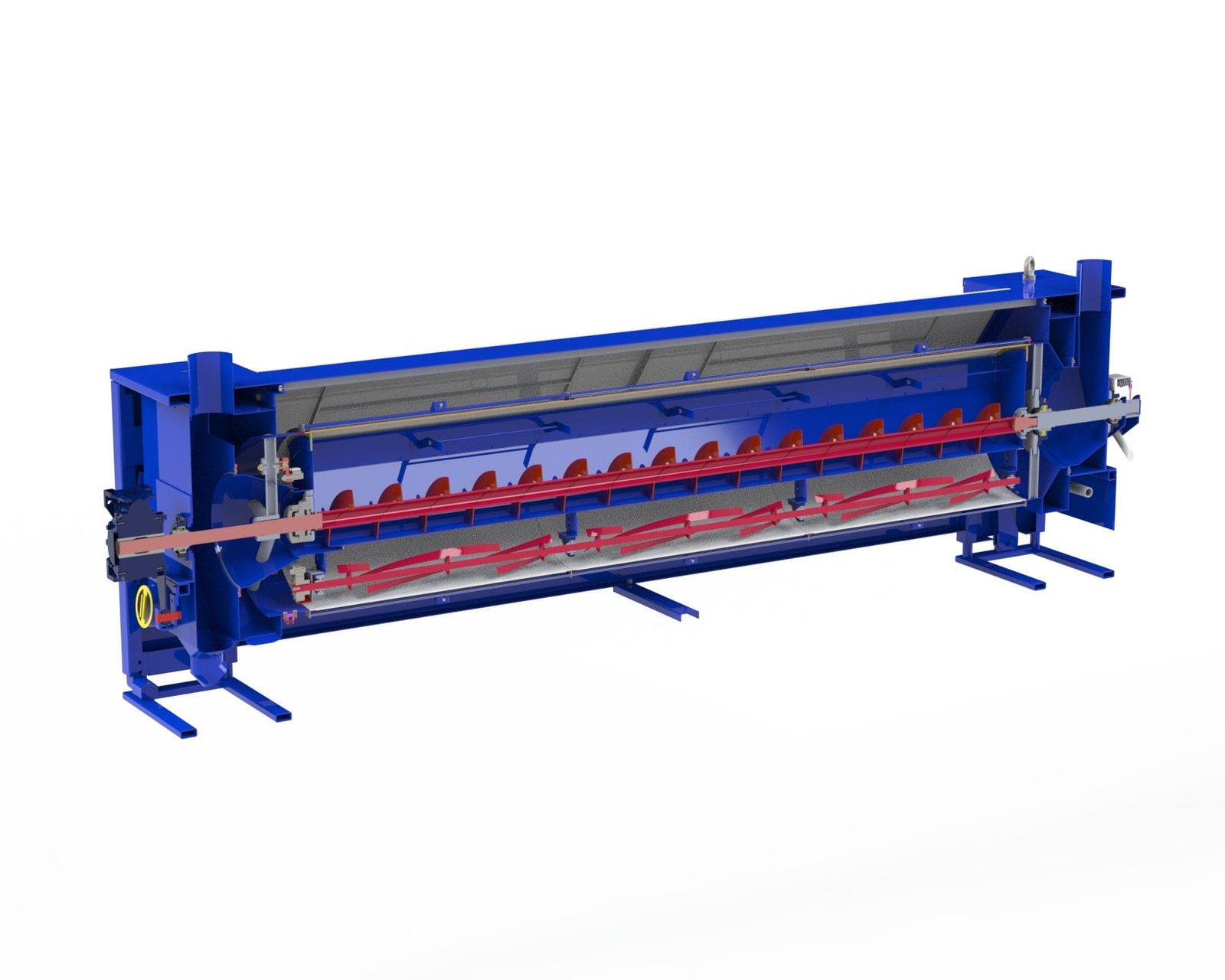
The BST trier works in two sequential stages. The upper trier removes short impurities first, while the lower trier separates long impurities from the product flow to improve final grain quality.
01
Upper Trier
The upper trier is responsible for separating short impurities from the grain mixture. Smaller particles are captured and discharged separately before the material continues to the next stage.
02
Lower Trier
The lower trier separates long impurities from the pre-cleaned flow. This stage refines the mixture and helps deliver a cleaner, more uniform final product.